Getting Through Nursing School: A Designer’s Embroidery Review
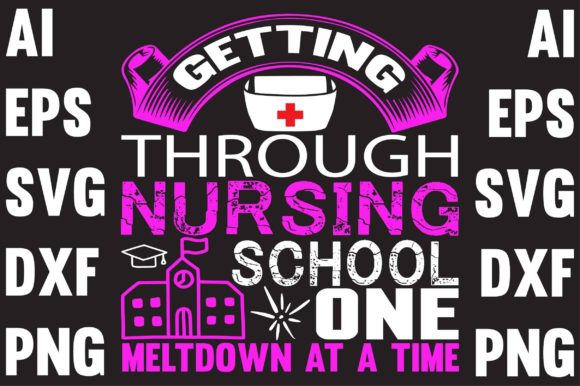
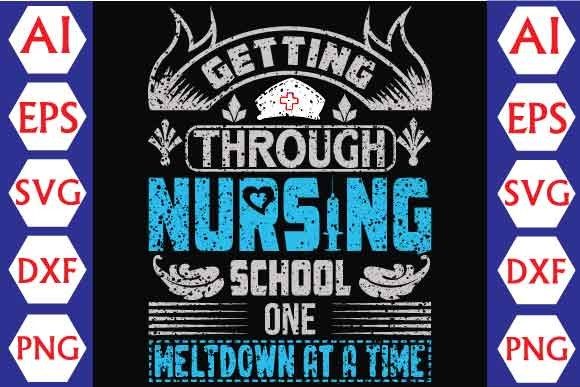
As a designer who spends more time staring at stitch simulations than I do sleeping, I approach every new embroidery file with a healthy dose of skepticism. We have all been there: you download a cute graphic, load it into your software, and realize the digitizing is a nightmare of trims and jumps. That is why I took a close, practical look at Getting Through Nursing School. This isn’t just about whether the image looks pretty on a screen; it is about how it holds up when the needle hits the fabric.
The first impression of this design is its clarity. In the world of Crafts and digital assets, clutter is the enemy. Nursing-themed designs often suffer from over-complication—too many stethoscopes, tiny pills, or illegible script. Getting Through Nursing School avoids this trap. The layout feels balanced, with a visual personality that speaks to resilience and humor, two traits every nursing student needs. For an Etsy seller or a small shop product creator, this immediate readability is crucial. Customers scrolling through feeds need to understand the message in under two seconds.
Real-World Application: The Student Survival Kit
To truly evaluate a design, you have to imagine it on a real product. I pictured this design applied to a heavy-weight canvas tote bag, the kind nursing students use to haul textbooks and clinical gear. This is where the design shines. The bold lines and open spaces suggest it would translate beautifully into a tote bag design that is both functional and stylish.
I also visualized it on a heather grey sweatshirt. Sweatshirt embroidery requires a design that can handle the texture of fleece without getting lost. Because Getting Through Nursing School relies on strong shapes rather than microscopic details, it maintains its integrity on textured fabrics. It feels like a badge of honor, a personalized gift that a proud parent might buy for their daughter or son starting their clinical rotations. The mood is encouraging yet professional, striking the right balance for a handmade product intended for daily wear.
Digital Assets and Customization Potential
One of the standout features mentioned in the product description is the inclusion of Ai, EPS, SVG, DXF, and PNG files. For a modern craft business, this versatility is non-negotiable. While my primary focus is embroidery, having access to vector files means I can create cohesive branding. I can use the SVG for a vinyl heat press application on a water bottle while using the embroidery version on a scrub cap. This cross-platform consistency builds brand trust.
The mention of "High Quality Graphics 300 DPI CMYK" and "Easy Customisa" (customization) suggests that the creator understands the needs of digital product sellers. If you are creating printable mockup images for your online store, these high-resolution assets allow you to present a polished preview. You can place the design on various backgrounds to show potential buyers how it looks before they purchase the digital embroidery file. However, as a reviewer, I must note that "easy customization" depends on your software skills. Always check the layer structure in the AI or EPS files before promising clients you can change colors or text elements quickly.
Stitching Considerations and Technical Notes
Now, let’s talk about the actual stitching. Since this is provided as a printable design and vector graphics, if you are converting this for machine embroidery yourself, or if you are using a pre-digitized version not explicitly detailed here, you need to pay attention to stitch density.
If you are digitizing this from the SVG or AI files, avoid turning every line into a satin stitch if the columns are wide. Wide satin stitches snag easily. Instead, consider using a fill stitch for larger areas to ensure durability, especially if the final item is a custom apparel piece that will be washed frequently. For smaller elements, a running stitch or a narrow satin can provide definition without adding bulk.
When working on curved surfaces like caps, be cautious. An embroidered patch might be a safer bet than direct-to-garment stitching for this specific design if the layout is wide. Caps have limited hoop space and curvature that can distort wide designs. If you do stitch directly onto a cap, break the design into smaller sections or use a stabilizer that offers firm support to prevent puckering.
Fabric and Hoop Selection
The success of Getting Through Nursing School largely depends on your material choice. On thin or stretchy fabrics, such as performance scrubs, you must use a cut-away stabilizer. Tear-away stabilizers may not provide enough support for dense areas, leading to distortion after washing.
For dark fabrics, remember that embroidery thread has a sheen. Ensure your thread colors have enough contrast. A navy blue thread on a black scrub top will vanish. Test your color combinations physically, not just on screen. Screen colors (RGB) differ significantly from thread colors. If you are selling commercial embroidery items, always stitch out a test sample on scrap fabric identical to your final product. This helps you identify any timing issues, thread breaks, or registration errors before you ruin expensive merchandise.
Commercial Viability and Licensing
For small business owners and handmade shop owners, licensing is critical. The product description mentions it is an instant download with various file types, but it does not explicitly state the commercial license terms in the snippet provided. Before you list this as a finished product on your site or use it in holiday embroidery gifts for sale, you must confirm the license. Can you sell physical items made with this design? Can you resell the digital file? Never assume. Check the seller’s full terms of use.
Assuming proper licensing, this design fits well into several niches. It is perfect for graduation season, nurse week, or as a morale booster during finals. It appeals to a specific audience that values both their profession and their sense of humor. This specificity helps in SEO and targeted marketing. Instead of competing with generic "nurse" designs, you are targeting "nursing students," a group actively seeking community and recognition.
Final Verdict
Getting Through Nursing School is a solid addition to your library of design assets. Its strength lies in its simplicity and emotional resonance. It avoids the pitfalls of overly complex graphics that fail in production. Whether you are creating a baby embroidery item for a future nurse, a rugged tote for a student, or a polished scrub cap for a professional, this design offers flexibility.
Remember to respect the technical limitations of your machine and fabric. Test your tension, choose your stabilizer wisely, and verify your licensing. When executed with care, this design can elevate your embroidery project from a simple craft to a cherished keepsake. It is a reminder that good design is not just about aesthetics; it is about function, durability, and connection. For the creative entrepreneurs out there, this is a design worth stitching.